Chapter 4: Safety

Progress Check β€” Page β€” No quiz
🎬 Present
You’re previewing Lesson 1 (Page 1). Sign in to unlock all pages and quizzes. Log in Sign up

β€’ Aircraft Structure
Alright class, let's get ready for takeoff into our aviation lesson! Today, we're going to learn the names for the main parts of an airplane and some key actions related to flying. Think of this as your pre-flight briefing.

β€’ Cabin Interior & Signs
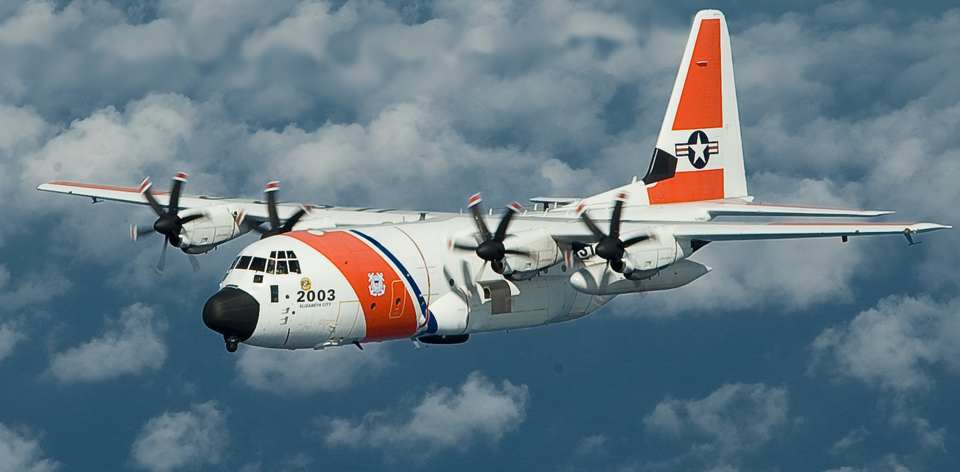
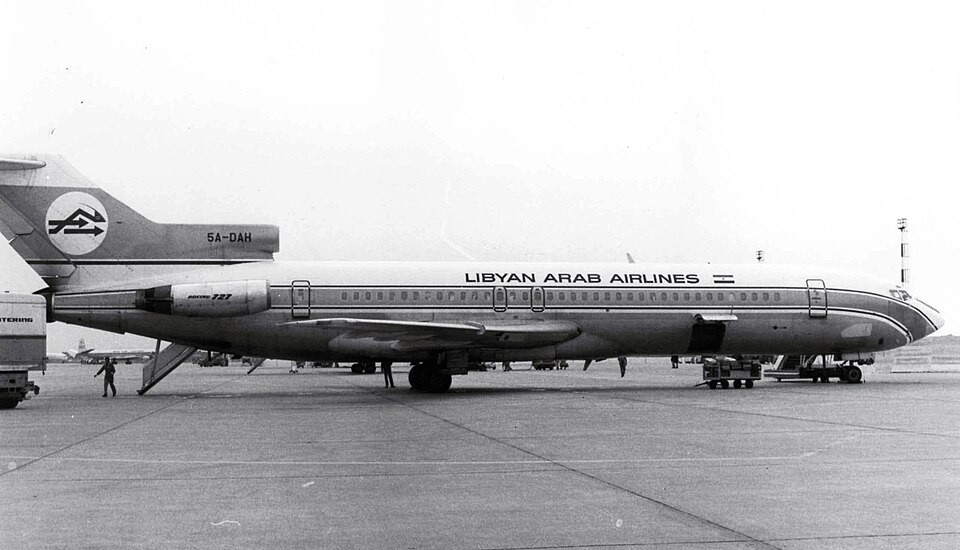
First, let's look at the airplane itself. The Landing Gear are the wheels of the aircraft. The Cabin is the upper section of the fuselage where passengers sit. Below that is the Belly, the lower section where luggage and cargo are stored. At the very front is the Cockpit or Flight Deck, which is the compartment for the flight crew only.

β€’ Flight Phases
Inside the cabin, we have important areas and signs. The Galley is where food service equipment is stored and meals are arranged. A Bulkhead is a dividing wall in the cabin. You'll also see illuminated signs, like the Seat belt sign, which directs passengers to fasten seatbelts, and No smoking signs, which mean no smoking anywhere in or around the aircraft.

β€’ Forces & Passenger Processes
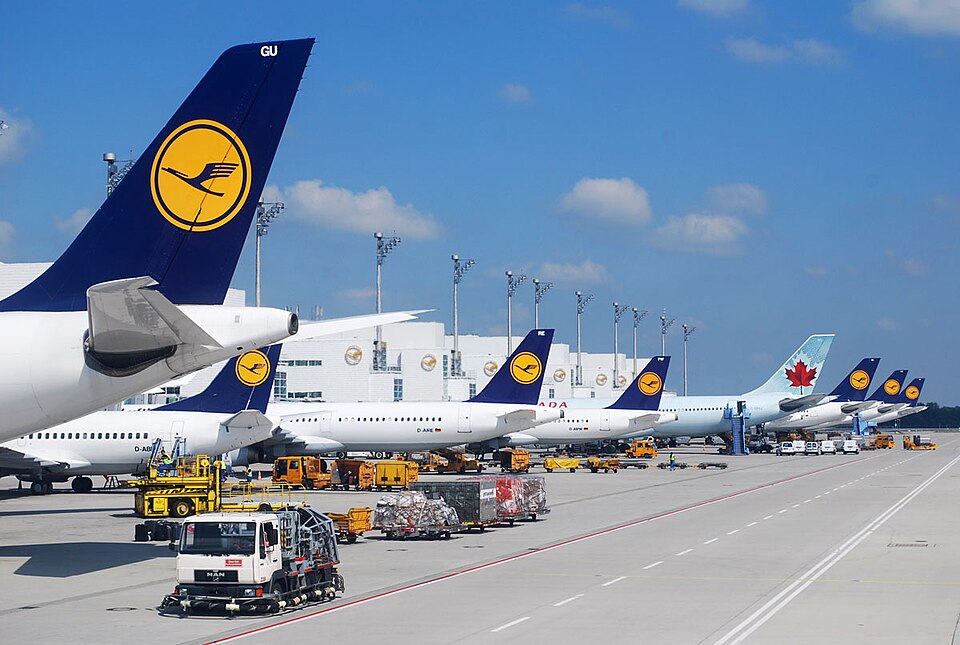
Now, let's talk about the phases of a flight. Taxi is the initial movement of the aircraft on the ground. Take off is when the aircraft leaves the runway to fly. Landing is when the aircraft touches back down on the runway. The force that makes this all possible is Thrust, the forward-acting force provided by the engines.

β€’ Ground Safety
Finally, we have the passenger processes. To Board or Embark is the process of passengers entering the aircraft. To Deplane or Disembark is the process of passengers leaving the aircraft and proceeding into the terminal. And for safety on the ground, a Block or Chock is a wood or rubber object placed around the aircraft wheels to prevent accidental movement.

View Textbook (page 1) Cover + TOC Content PDF Study Materials
Advertisement Sponsored
Yashmaya Infotech

Related Courses